
CDL Training Programs Cost: What You Need to Know
CDL training programs cost can be a real barrier — but it doesn’t have to stop you.
Thousands of Americans are landing high-paying trucking jobs after investing in the right program.
Keep reading to discover how much it really costs and how to get trained without breaking the bank.
See Also
- Step-by-step guide to getting your CDL license
- Best truck driving jobs for new CDL holders
- Companies that pay for your CDL tuition
- How WIOA grants can fund your CDL training
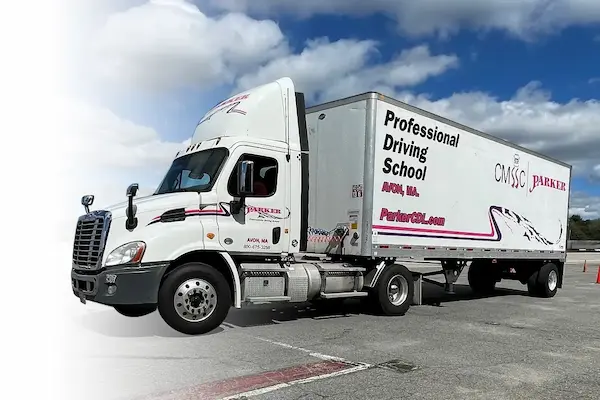
How Much Do CDL Training Programs Cost on Average?
The average CDL training programs cost in the United States ranges from $3,000 to $10,000, depending on the type of school, your state, and the license class you’re pursuing.
That’s a wide range — and understanding what drives it is key to making a smart financial decision.
Private trucking academies tend to sit at the higher end, often between $5,000 and $10,000, but they offer faster completion timelines, typically three to eight weeks.
Community colleges are a more affordable alternative, with most programs costing between $1,500 and $4,000 for in-state residents — though you may wait longer to get started.
For those exploring CDL tuition reimbursement programs, company-sponsored options can bring your upfront cost down to zero in exchange for a work commitment.
Class A vs. Class B CDL: Does the License Type Affect Cost?
Yes — and it’s one of the most overlooked factors when calculating your total investment.
Class A CDL training is the most common and most expensive option, covering large combination vehicles like tractor-trailers and 18-wheelers. Programs typically range from $4,000 to $10,000.
Class B CDL programs are shorter and less costly, averaging between $1,800 and $6,000, and qualify you to drive vehicles like school buses, dump trucks, and local delivery trucks.
Here’s a quick breakdown to help you compare:
- Class A CDL: Tractor-trailers, semis, tankers — higher earning potential, higher training cost
- Class B CDL: Buses, straight trucks, refuse vehicles — faster to obtain, lower upfront investment
- Endorsements (hazmat, tanker, doubles): Additional $50–$200 per endorsement on top of base training
Most aspiring truck drivers go straight for Class A because the career opportunities — and the salaries — are significantly broader.
What’s Actually Included in CDL Training Programs Cost?
Before you pay, it’s important to know exactly what your tuition covers — and what it doesn’t.
Most legitimate CDL training programs include classroom instruction, behind-the-wheel practice, access to training trucks, and preparation for the skills test.
However, several additional costs are often not bundled in:
- Commercial Learner’s Permit (CLP): $15–$30, required before you can drive
- CDL application fee: $30–$60, depending on your state
- Written knowledge test: $10–$30 per attempt
- Skills/road test: $40–$250, depending on who administers it
- DOT physical exam: $75–$150 at a certified medical examiner
- Drug screening: $30–$60, usually required before training begins
When you add it all up, total out-of-pocket costs — including tuition and fees — can reach up to $9,000 to $11,000 at private schools.
That’s why knowing about WIOA grants and other funding options before you enroll can save you thousands of dollars.
Free and Low-Cost CDL Training Options You Should Know
Good news: you don’t have to pay full price out of pocket to get your CDL.
There are several legitimate pathways that can dramatically reduce — or completely eliminate — the CDL training programs cost for eligible candidates.
1. Company-Sponsored CDL Training
Major carriers like Schneider, Swift Transportation, and Werner Enterprises offer programs where they cover your tuition entirely in exchange for a driving commitment of 12 to 24 months after graduation.
This is the most popular zero-upfront option — and many carriers also provide housing during training.
2. WIOA Grants (Workforce Innovation and Opportunity Act)
The federal WIOA program can cover up to 100% of your CDL tuition if you qualify based on employment status and income.
Contact your local American Job Center to find out if you’re eligible — approval can happen within days.
3. Veterans’ Benefits and GI Bill
If you’ve served in the military, the GI Bill and other VA education benefits can cover tuition, licensing fees, and in some cases even a housing stipend — provided the school is VA-approved.
Many carriers also actively recruit veterans and offer sign-on bonuses up to $10,000 on top of training coverage.
4. Community College Financial Aid
If you enroll in a community college CDL program, you can apply for federal student aid (FAFSA), including Pell Grants and subsidized student loans with low interest rates.
This route takes longer but is one of the most affordable ways to get a high-quality education.
5. Tuition Reimbursement After Hiring
Companies like FedEx Freight and UPS Freight offer reimbursement programs ranging from $2,000 to $5,000 for drivers who complete CDL training independently and then join their team.
You typically need to stay for one to two years to qualify for the full amount.
CDL Training Programs Cost by School Type: A Comparison
Still unsure which path fits your situation? Here’s a side-by-side comparison of the most common training options available today:
| School Type | Typical Cost | Program Duration | Best For |
|---|---|---|---|
| Community College | $1,500–$4,000 | 6–12 weeks | Budget-conscious students |
| Private Driving Academy | $5,000–$10,000 | 3–8 weeks | Fast career entry |
| Company-Sponsored Program | $0 upfront | 3–4 weeks | Those with no savings |
| Online Theory + Skills Test | $100–$300 (theory only) | Varies | Self-paced learners |
Each path has real trade-offs — the cheapest option isn’t always the fastest, and the fastest isn’t always the best fit for every career goal.
Is CDL Training Worth the Investment?
Absolutely — and the numbers back it up clearly.
Truck driver salaries in 2025 average between $55,000 and $100,000+ per year, depending on experience, license class, and route type.
That means even a $7,000 training investment can be recovered within just a few months on the job.
Beyond salary, truck driving jobs for beginners often come with health insurance, 401(k) plans, paid time off, and sign-on bonuses — benefits that make this career even more financially attractive from day one.
The trucking industry is also facing a sustained driver shortage, which means qualified CDL holders are in high demand across the country, giving you real negotiating power when choosing where to work.
How to Choose the Right CDL Training Program for You
Not all programs are created equal, and choosing the wrong one can cost you time, money, and confidence behind the wheel.
Here’s what to look for before you commit:
- FMCSA compliance: Make sure the school is registered and approved by the Federal Motor Carrier Safety Administration
- Pass rates: Ask about the school’s CDL skills test first-attempt pass rate — quality programs often exceed 85%
- Job placement support: Look for schools with carrier partnerships or dedicated placement coordinators
- Itemized pricing: Reputable schools will give you a clear cost breakdown — no surprises after enrollment
- Student-to-truck ratio: Smaller classes mean more behind-the-wheel time, which directly impacts your readiness
- Financing options: Confirm what payment plans, grants, or sponsorships are available before signing anything
If a school pressures you to sign quickly, won’t show you an itemized cost sheet, or can’t answer questions about pass rates — walk away.
Learn more about how to get your CDL license step by step and what to expect at each stage of the process before you enroll.
Hidden Costs That First-Time CDL Students Often Miss
Even after accounting for tuition, a few overlooked expenses can catch new students off guard — so it’s worth planning for them early.
Living expenses during training are a real factor, especially if you’re not working while attending school. Most programs run three to eight weeks, and some out-of-state students pay $300–$400 per week for housing if it’s not included in their tuition.
Some schools also charge separately for study materials and CDL prep books, which can add another $50–$100 to your budget.
Finally, if you fail a portion of your skills or knowledge test, retake fees apply — another reason why choosing a school with strong instruction and high pass rates actually saves you money in the long run.
Final Thoughts on CDL Training Programs Cost
Getting your CDL is one of the most practical career investments you can make in today’s job market.
Yes, the upfront cost can feel intimidating — but with company-sponsored training, WIOA grants, GI Bill benefits, and community college programs, there’s a realistic path for nearly every financial situation.
The key is to do your research, compare your options, and choose a program that delivers real-world preparation — not just a shortcut to passing a test.
Understanding the full picture of CDL training programs cost — including tuition, licensing fees, and living expenses — means you’ll enter the process with clear expectations and no financial surprises halfway through.
Your license is just the beginning. The road ahead is wide open.
Ready to explore more career opportunities in trucking and beyond? Browse our full employment guides for in-depth resources on licensing, job search strategies, salary expectations, and everything you need to build a strong career from the ground up.